
3 Ways to Encourage Imaginative Play in Children
Unleashing the boundless realm of imagination in children is not just whimsical; it's a crucial step in their cognitive development. This article presents effective strategies, enriched with insights from seasoned educators and child psychologists, to foster imaginative play. Learn how to craft environments that inspire creativity and confidence in young minds.
- Play Maps the World for Children
- Create a Dedicated Play Space
- Imaginative Play Nurtures Creativity and Confidence
Play Maps the World for Children
Play isn't just something children do - it's how they map the world, develop critical problem-solving skills, and unlock their creative potential. I see play as the fundamental training ground for future innovators and entrepreneurs.
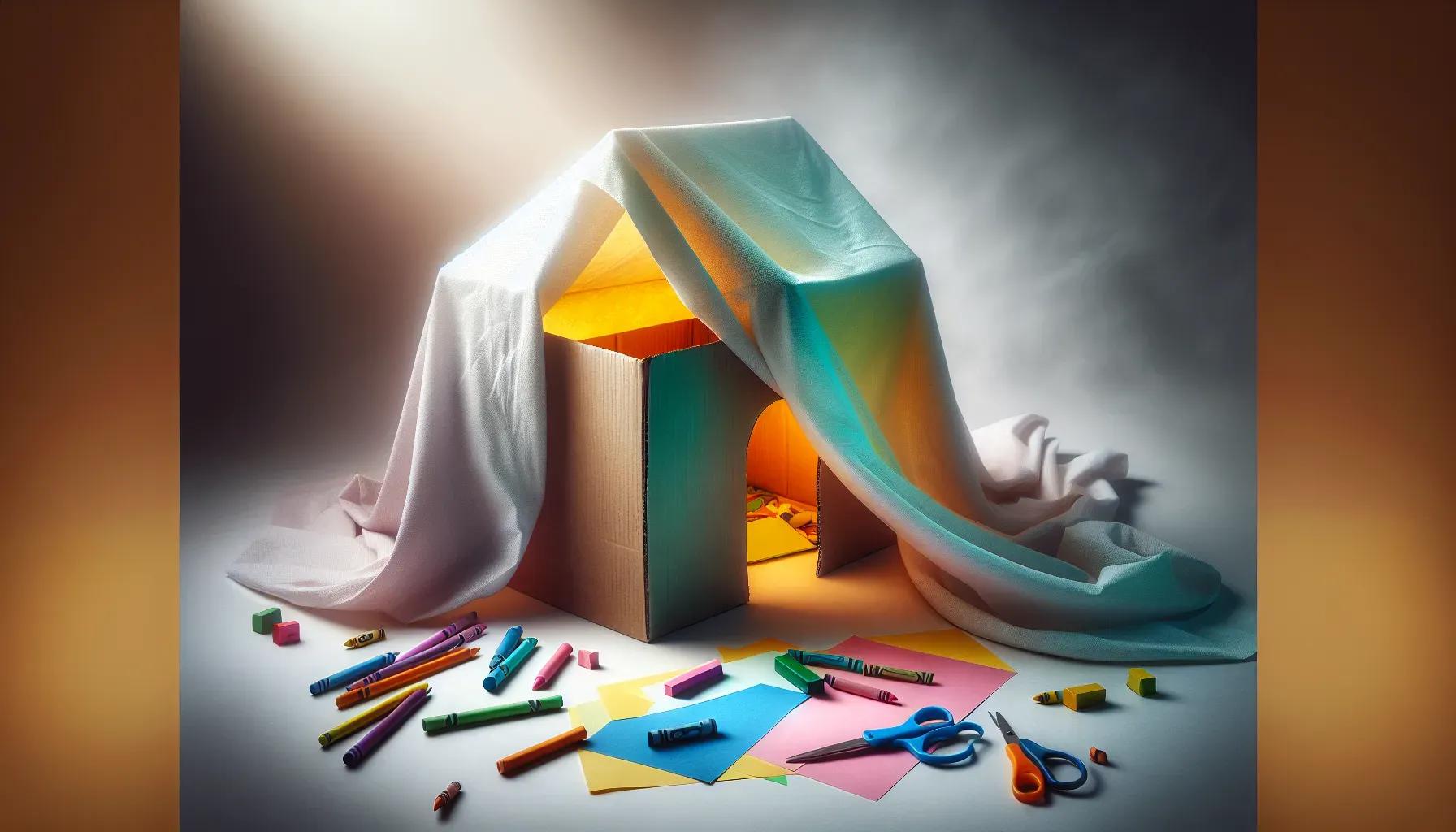
In our household, imaginative play isn't just encouraged - it's celebrated. Take our recent "cardboard box city" project. What started as a simple recycling box became an entire miniature metropolis where my child was simultaneously architect, mayor, and urban planner. We'll spend hours designing infrastructure, creating elaborate backstories for different neighborhoods, and problem-solving complex city management challenges.
This isn't just fun - it's teaching complex skills like spatial reasoning, narrative construction, strategic thinking, and collaborative creativity. When my child explains the intricate transportation system they've designed or the social dynamics of their cardboard civilization, I'm watching real-world problem-solving skills being born.
The magic of play is that it's learning disguised as joy. Every imaginative scenario is a mini-laboratory where children experiment with concepts, emotions, and social dynamics without real-world consequences. It's where they first learn resilience, creativity, and the pure joy of bringing something entirely new into existence.

Create a Dedicated Play Space
Play is essential in child development, enhancing creativity, social skills, problem-solving, and emotional intelligence. Encouraging imaginative play at home can involve creating a dedicated space with costumes, building blocks, and art supplies. Establishing a weekly 'imagination day' allows families to engage in creative activities, fostering self-expression and collaboration. A toy company exemplifies this by promoting open-ended play through diverse materials.

Imaginative Play Nurtures Creativity and Confidence
Play is essential for a child's growth, shaping their thinking, communication, and problem-solving skills. It fosters creativity, confidence, and emotional resilience, helping children adapt to challenges. Imaginative play is a great way to nurture creativity. Simple materials like cardboard boxes and household objects can become castles, spaceships, or stores, allowing children to create their own stories. This improves problem-solving and teamwork skills. Traditional Indian games like kho-kho and kabaddi also contribute to physical and mental development, teaching agility, strategy, and patience. In today's digital world, balancing screen time with active and creative play is crucial. As parents and educators, we must encourage play in all forms, giving children the freedom to explore and express themselves. Play is more than just fun; it is a powerful tool for learning and growth.
